
Last updated: May 10, 2026
Quick Answer: Healthy weight loss for women means losing 1 to 2 pounds per week through a combination of a balanced diet, regular physical activity, adequate sleep, and sustainable lifestyle habits. Crash diets and extreme restriction rarely work long-term. The most effective approach combines small, consistent healthy changes with realistic goals.
Key Takeaways
- Aim to lose 1–2 pounds per week for safe, sustainable weight loss
- Prioritize whole foods, lean protein, fiber, and healthy fats over fad diets
- Drink water consistently — it supports metabolism and reduces hunger
- Get at least 7 hours of sleep at night to support hormones that regulate appetite
- Combine cardio and strength training for the best fat-loss results
- Avoid empty calories from soda, juice, and ultra-processed foods
- Track your weight and meals to stay accountable and spot patterns
- Women face unique hormonal challenges that can make weight loss harder — plan for them
- Small, consistent healthy lifestyle changes beat short-term restriction every time
- Focus on building a healthier lifestyle, not just hitting a number on the scale
Why Is Weight Loss More Challenging for Women?
Women struggle to lose weight for reasons that go beyond willpower or discipline. Hormonal fluctuations tied to the menstrual cycle, pregnancy, perimenopause, and menopause all directly influence metabolism, appetite, and fat storage. Women also tend to have less muscle mass than men, which means they burn fewer calories at rest — making it biologically harder to create the calorie deficit needed for weight loss.
Stress compounds the problem. Elevated cortisol levels can cause weight gain, particularly around the abdomen. Emotional eaters — a pattern more commonly reported by women — may turn to food as a coping mechanism, which leads to consuming more calories than the body needs. Recognizing these patterns is the first step toward breaking them.
Conditions like polycystic ovary syndrome (PCOS), thyroid disorders, and insulin resistance make weight loss harder still. If you’ve been trying to lose weight without results despite doing “everything right,” it’s worth speaking with a healthcare provider to rule out underlying issues. For a broader overview of what actually works, see this complete guide to weight loss strategies.
What Healthy Foods Should Women Eat to Lose Weight?
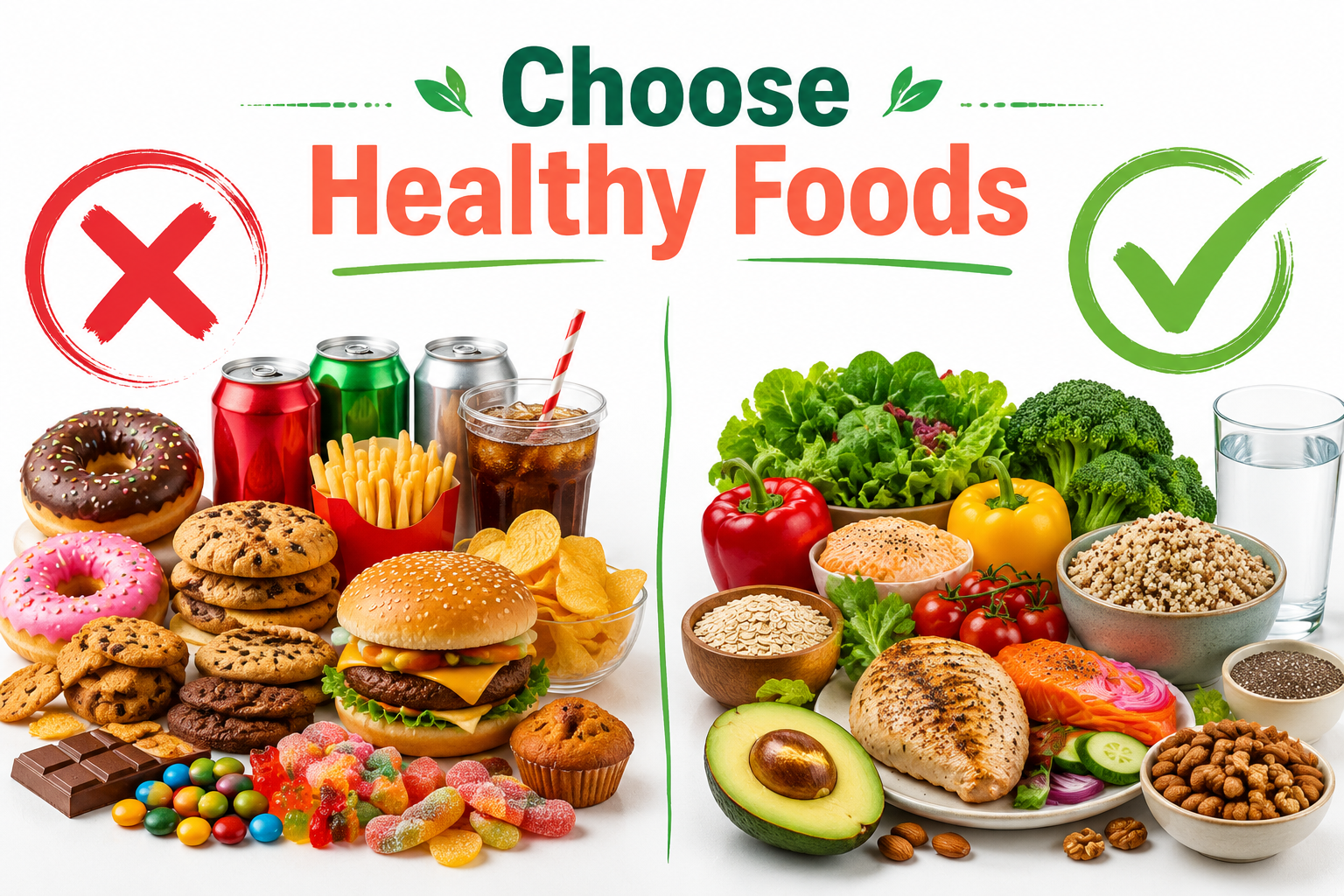
The foundation of weight loss is eating healthy foods that nourish the body while keeping total calories in check. Women who want to lose weight don’t need to follow a complicated diet — they need to eat more whole foods and fewer ultra-processed foods. That means vegetables, fruits, lean proteins, whole grains, legumes, and healthy fats like avocado, olive oil, and nut butters.
Fiber is especially powerful. Increasing dietary fiber intake has been associated with a meaningful decrease in calorie intake and steady weight loss over time — fiber helps slow digestion, which helps you feel full longer and reduces the urge to snack between meals. Whole grains like oats, quinoa, and brown rice are excellent fiber sources that also provide sustained energy.
Protein is equally important. Research suggests that increasing protein intake by even a modest amount can significantly reduce daily calorie consumption. Protein preserves muscle mass during weight loss and helps manage craving-driven eating by keeping hunger hormones in check. When planning meals and snacks, aim to include a protein source at every eating occasion — eggs, Greek yogurt, legumes, chicken, fish, or tofu all work well.
Common mistake: Many women cut fat from their diet to lose weight, but healthy fats are essential for hormone balance, satiety, and nutrient absorption. The goal is to reduce unhealthy foods and empty calories, not all fat.
How Much Weight Is Safe to Lose Per Week?
How much weight is safe to lose depends on your starting point, but the general guideline is 1 to 2 pounds per week for most adults. The Centers for Disease Control (CDC) supports this range as the standard for healthy weight loss, as it’s fast enough to be motivating but slow enough to preserve muscle and avoid nutritional deficiencies.
Losing weight faster than this — especially through fad diets or extreme calorie restriction — tends to backfire. Rapid weight loss often means losing muscle along with fat, which lowers your ability to burn calories over time and makes weight regain more likely. It can also trigger health risks like gallstones, nutrient deficiencies, and fatigue.
If you have obesity or significant extra weight to lose, your doctor may recommend a more structured plan with medical supervision. But for most women, focusing on gradual, consistent progress is the most effective weight management strategy. Seeing results at a steady pace also keeps motivation high and improves your long-term chance of success.
What Type of Exercise Works Best for Women’s Weight Loss?

The best type of exercise for weight loss is the one you’ll actually do consistently — but the research does point to some clear winners. Aerobic exercise (cardio) burns calories during the workout, while strength training builds muscle that continues to burn calories at rest. Combining both produces better results than either alone.
For cardio, the Department of Health and Human Services recommends at least 150 to 300 minutes of moderate-intensity activity per week — that’s roughly 30 minutes of moderate exercise most days. Brisk walking counts, as does cycling, swimming, or dancing. High-intensity interval training (HIIT) is also highly effective: it burns more calories in less time than steady-state cardio and has been shown to specifically help lose belly fat.
Strength training deserves special attention for women, particularly those over 40 or 50. As estrogen declines, women lose muscle mass and bone density more rapidly. When you lift weights or do resistance exercises, you counteract this loss, protect bone health, and keep your metabolism from slowing down. Aim to include strength training at least two days per week in your exercise routine, targeting all major muscle groups.
- Choose cardio if: you want to burn calories quickly and improve heart health
- Choose strength training if: you want to build muscle, boost resting metabolism, or protect bone density
- Choose HIIT if: you’re short on time and want maximum calorie burn
How Does Diet Affect Weight Loss for Women?
Diet accounts for the majority of weight loss results — physical activity matters, but you can’t out-exercise a poor diet. The most effective diet for weight loss isn’t the most restrictive one; it’s the one that helps you eat healthy consistently without feeling deprived.
A balanced diet rich in vegetables, lean protein, fiber, and whole grains naturally reduces the number of calories you consume without requiring you to count every bite. Cutting back on added sugar, soda, juice, refined carbohydrates, and salad dressings loaded with hidden calories makes a significant difference. These are often sources of empty calories that add up without providing satiety or nutrition. Always check the nutrition facts label when buying packaged foods — many products marketed as “healthy” are high in calories, sugar, or sodium.
Eating patterns matter as much as food choices. Eating smaller portions, slowing down at meals, and avoiding distractions while eating (known as mindful eating) can meaningfully reduce total calories consumed each day. Skipping meals tends to backfire by increasing craving intensity later in the day. Instead, plan regular meals and snacks to keep blood sugar stable and prevent overeating.
Should Women Drink Water to Lose Weight?
Yes — drink water consistently, and it will support your weight loss in several concrete ways. Research shows that drinking water before a meal can reduce calorie consumption by around 13%, and drinking roughly 500 ml of water can temporarily increase the number of calories your body burns for up to 40 minutes afterward.
Water also helps manage craving signals that are often mistaken for hunger. Before reaching for a snack, drink a full glass of water and wait 10 minutes. Many times, the urge to eat passes. Staying well-hydrated also supports digestion and helps the body process and eliminate waste more efficiently.
If plain water feels boring, flavored water (without added sugar) or herbal teas are solid alternatives. What to avoid: soda and juice. Even 100% fruit juice is high in natural sugar and can contribute to weight gain when consumed regularly. These liquid calories don’t trigger the same fullness signals as solid food, making it easy to consume far more than intended.
What Role Does Sleep Play in Weight Loss?
Sleep is one of the most underrated factors in weight management. Getting 7 or more hours of sleep at night significantly improves the likelihood of weight loss success — one study found the odds improved by about 33% with adequate, quality sleep. Poor sleep raises levels of ghrelin (the hunger hormone) and lowers leptin (the fullness hormone), which makes it much harder to eat healthy the next day.
Sleep deprivation also impairs decision-making, which is why women who are sleep-deprived are more likely to reach for high-calorie comfort foods and skip their exercise routine. It creates a cycle that undermines even the best weight-loss efforts. Prioritizing sleep isn’t a luxury — it’s a core part of any effective weight loss plan.
Practical steps to improve sleep quality include keeping a consistent sleep schedule, limiting screen time before bed, avoiding caffeine after 2 p.m., and keeping the bedroom cool and dark. If you regularly struggle to get enough sleep despite trying, speak with a doctor to rule out sleep apnea or other conditions that can cause weight gain indirectly.
How Can Women Make Healthy Changes That Actually Stick?
Sustainable weight loss comes from healthy lifestyle changes, not short-term fixes. The most effective weight loss tips for women focus on building habits gradually rather than overhauling everything at once. Start with one or two changes — like swapping soda for water or adding a 20-minute walk after dinner — and build from there.
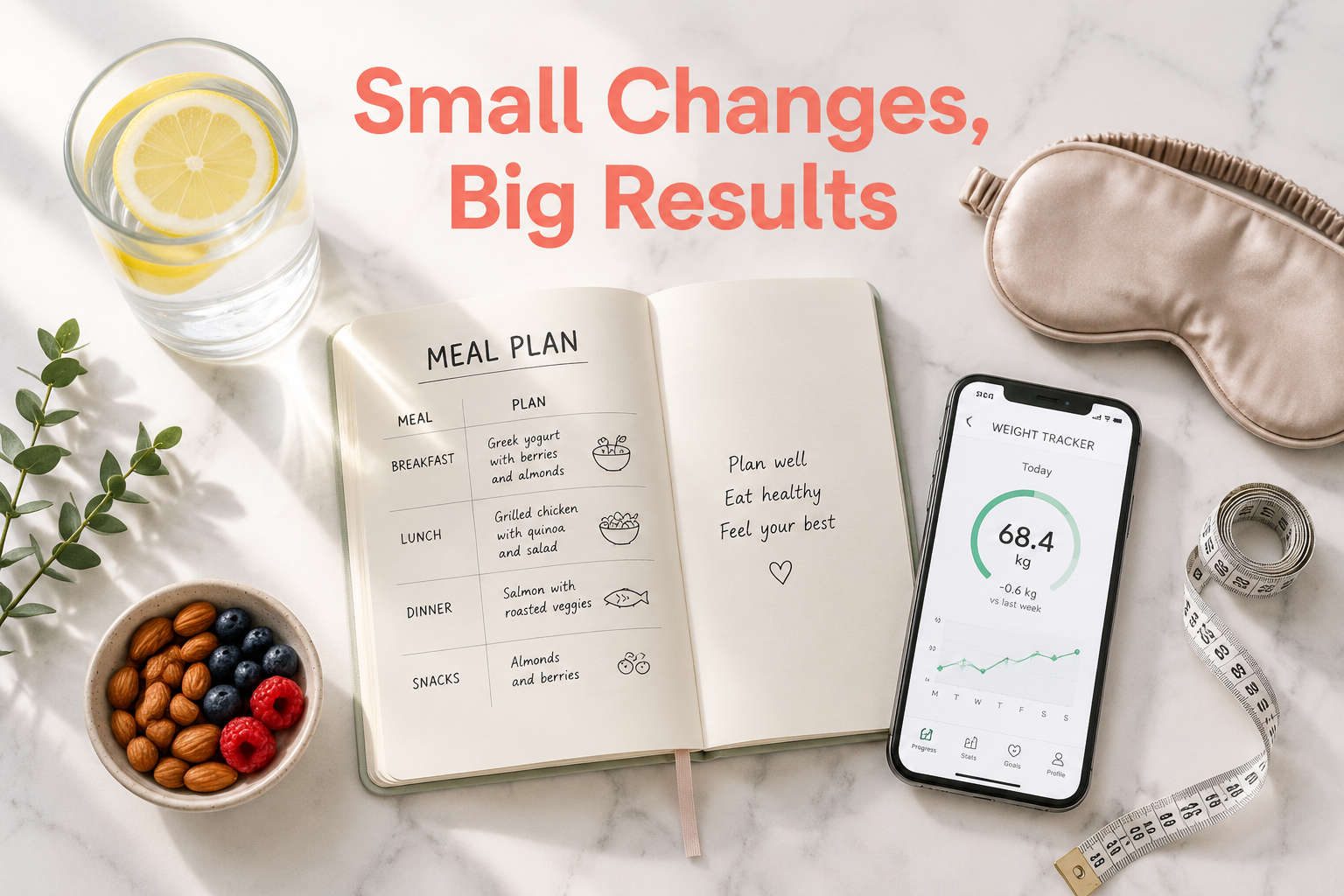
Tracking helps. When you track your weight, your meals, and your activity, you create awareness that naturally leads to better choices. You don’t need a perfect diet; you need consistent effort over time. Research consistently shows that people who monitor their progress lose more weight and keep it off longer than those who don’t.
Setting specific, realistic goals also improves outcomes. Instead of “I want to lose weight,” try “I will do at least 30 minutes of moderate exercise five days a week and eat vegetables with every meal.” This kind of goal is measurable and actionable. For more in-depth strategies, the CDRadiant weight loss guide covers additional approaches worth exploring.
What Are the Health Risks of Carrying Excess Weight?
Carrying excess weight raises the risk of several serious conditions, including type 2 diabetes, high blood pressure, heart disease, sleep apnea, and certain cancers. Obesity is classified as a chronic disease, not a cosmetic issue, and addressing it through healthy weight loss can lower your risk of these complications significantly.
For women specifically, excess weight is linked to irregular menstrual cycles, fertility challenges, and worsened menopause symptoms. Even modest weight loss — as little as 5 to 10% of body weight — can produce measurable improvements in blood pressure, blood sugar, and cholesterol levels. You don’t have to reach an “ideal” weight to benefit; every pound matters.
This is why weight loss tips for women need to go beyond appearance. Framing weight loss as a health goal rather than a cosmetic one tends to produce stronger motivation and more consistent follow-through. Regular physical activity and a nutritious diet lower your risk of chronic disease regardless of how much weight you lose — making healthy changes worthwhile at any size.
How Do You Avoid Common Weight Loss Mistakes?
The most common mistake women make when trying to lose weight is choosing restriction over sustainability. Fad diets that eliminate entire food groups or slash calories dramatically may produce quick results, but they almost always lead to rebound weight gain because they’re impossible to maintain. Fewer calories is the goal, but not so few that you’re constantly hungry, fatigued, or nutrient-depleted.
Another frequent error is relying on exercise alone without making dietary changes. Exercise is essential for health and supports weight loss, but it’s easy to overestimate how many calories a workout burns. A 30-minute walk burns roughly 150–200 calories — less than most people assume. Combining regular physical activity with a healthy diet is what consistently produces results.
Finally, many women underestimate the impact of “small” indulgences — a glass of wine most evenings, a handful of snack foods at the office, or extra salad dressings. These additions can quietly push total calories well above the target without feeling like overeating. Awareness, not obsession, is the goal. Make healthy changes where you can, be consistent, and give yourself time to see progress.
Conclusion: Your Next Steps Toward a Healthier Weight
Healthy weight loss for women in 2026 isn’t about the most extreme diet or the longest workout — it’s about making consistent, evidence-based changes that fit your real life. Start with the basics: eat healthy whole foods, drink water, move your body most days, sleep enough, and track your progress. Build from there.
Your action plan:
- This week: Swap one sugary drink for water and add a 20-minute walk to your daily routine
- This month: Plan your meals and snacks in advance to reduce impulsive eating
- Ongoing: Aim for 7+ hours of sleep, at least 150 minutes of moderate activity weekly, and a balanced diet built around whole foods
You don’t need to make healthy changes all at once. One habit at a time, done consistently, adds up to real, lasting results. For additional reading on building a healthier lifestyle, explore more on the CDRadiant health and wellness blog.
Frequently Asked Questions
Q: How much weight can a woman safely lose in a month? A safe and realistic goal is 4 to 8 pounds per month (1 to 2 pounds per week). Losing more than this increases the risk of muscle loss, nutrient deficiencies, and rebound weight gain.
Q: What is the best diet for women to lose weight? There’s no single best diet — the best one is the one you can sustain. Diets based on whole foods, lean protein, vegetables, and whole grains (like the Mediterranean or DASH diet) have strong evidence behind them and are flexible enough to maintain long-term.
Q: Does strength training help women lose weight? Yes. Strength training builds muscle, which increases the number of calories your body burns at rest. It’s especially important for women over 40, as it helps counteract the muscle and bone loss that comes with hormonal changes.
Q: Why do women lose weight more slowly than men? Women generally have less muscle mass and different hormonal profiles than men, which means a lower resting metabolic rate. This makes it biologically harder to create a calorie deficit, but it doesn’t make weight loss impossible — it just requires a patient, consistent approach.
Q: Is it okay to skip meals to lose weight faster? No. Skipping meals typically leads to stronger hunger and cravings later in the day, which makes overeating more likely. Regular, balanced meals and snacks keep blood sugar stable and support better food choices throughout the day.
Q: How important is water for weight loss? Very important. Water supports metabolism, helps control appetite, and replaces high-calorie drinks like soda and juice. Drinking water before meals has been shown to reduce calorie intake at those meals.
Q: Can poor sleep really cause weight gain? Yes. Sleep deprivation raises hunger hormones and impairs decision-making, making it harder to eat healthy and stick to an exercise routine. Aim for at least 7 hours of sleep at night as a non-negotiable part of your weight loss plan.
Q: What snacks are best for women trying to lose weight? Good options include Greek yogurt, a small handful of nuts, apple slices with nut butters, hard-boiled eggs, or raw vegetables with hummus. These snacks combine protein and fiber to manage hunger without adding too many calories.
Q: How do I lose belly fat specifically? Spot reduction isn’t possible — you can’t target fat loss in one area. However, HIIT workouts, a low-sugar diet, adequate sleep, and stress management all help reduce abdominal fat over time as part of overall weight loss.
Q: Do I need to count calories to lose weight? Not necessarily. Many women lose weight successfully by focusing on food quality, portion sizes, and hunger cues rather than tracking every calorie. However, if you’re not seeing results, tracking your intake for a few weeks can reveal patterns you might be missing.
Meta Information
Meta Title: Healthy Weight Loss Tips for Women: How to Lose Weight Safely
Meta Description: Discover proven weight loss tips for women in 2026. Learn how to eat healthy, exercise smarter, sleep better, and lose weight safely with lasting results.
Tags: weight loss tips for women, healthy weight loss, lose weight, women’s fitness, diet tips, weight management, physical activity, healthy eating, strength training, balanced diet, obesity prevention, healthy lifestyle